


Ocean Day: Our Choices Impact Ecosystems
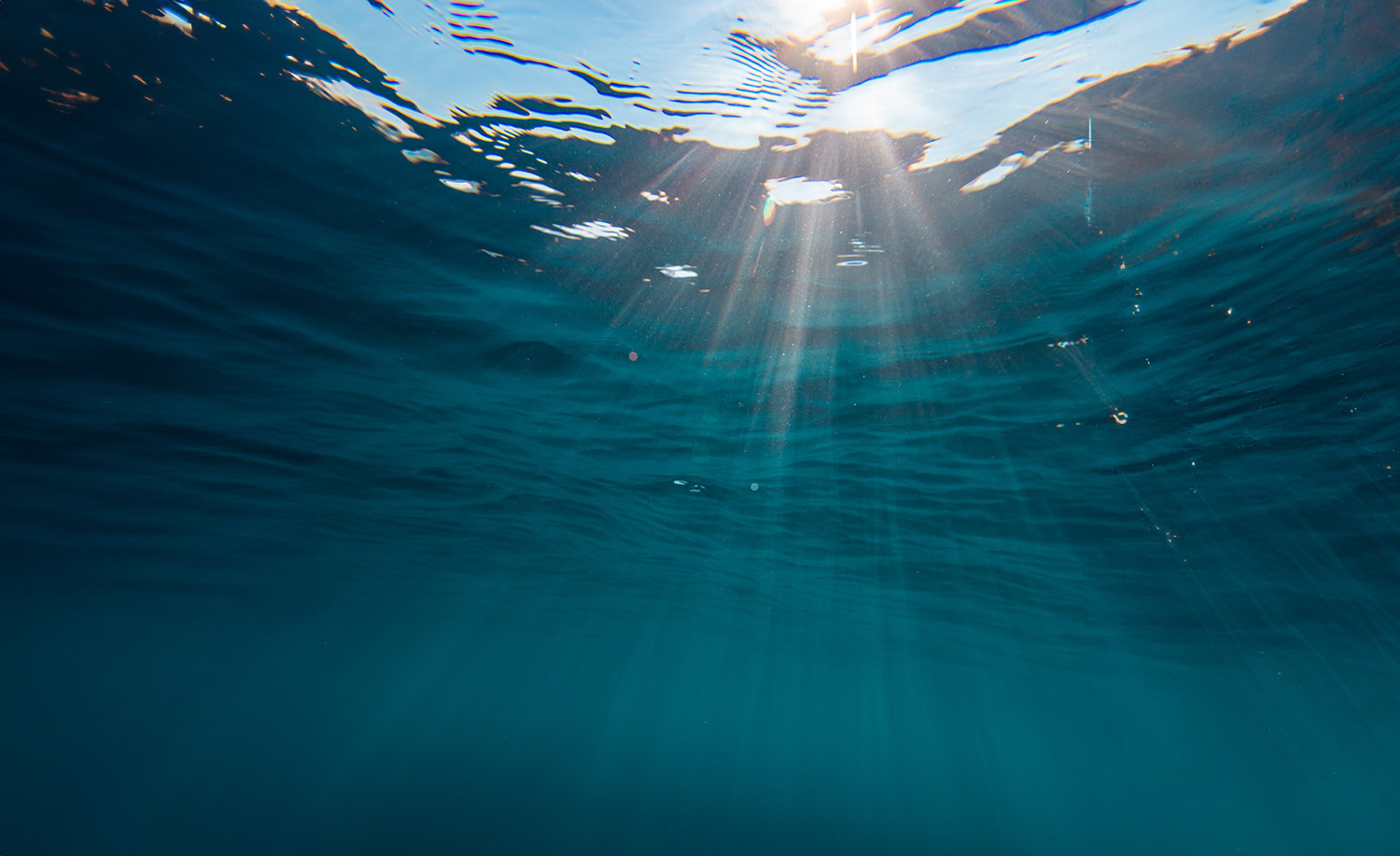
Every year on June 8th, the world comes together to celebrate World Oceans Day, an event established by the United Nations in 1992 to raise awareness about the importance of oceans for our planet and our very existence. This day is an opportunity to reflect on the significance of oceans and to promote concrete actions aimed at their protection.
Why are oceans important?
Oceans cover over 70% of the Earth’s surface and are essential for life on our planet, contributing in five key ways:
- They regulate the climate by absorbing a large portion of solar heat and about 25% of the carbon dioxide produced by human activities.
- They produce over 50% of the planet’s oxygen, which is essential for human survival.
- They support biodiversity by hosting an extraordinary variety of life, from tiny planktonic organisms to massive marine mammals.
- They provide resources: they are a crucial source of food, energy, and raw materials for millions of people around the world.
- Economy and employment: sectors such as fishing, tourism, and maritime transport depend on the oceans and provide millions of jobs.
What are the threats to the oceans?
Despite their importance, oceans face numerous threats, such as:
- Pollution: plastic waste, oil spills, and chemicals damage marine ecosystems and threaten aquatic wildlife.
- Overexploitation: excessive intensive fishing and illegal fishing deplete fish stocks, destabilize marine food chains, and contribute to the extinction of the most vulnerable species.
- Climate change: rising ocean temperatures and water acidification threaten biodiversity and marine habitats.
- Habitat loss: the destruction of coral reefs, mangroves, and other critical habitats compromises the oceans’ ability to support marine life.
How much do detergents pollute?
Doing laundry may seem like a simple and harmless habit, but our washing machines have a significant impact on ecosystems, especially marine ones.
Chemical detergents include surfactants primarily derived from petroleum, which are harmful to aquatic flora and fauna as they facilitate the penetration of chemicals into organisms. Therefore, it is crucial that the microorganisms in treatment plants are able to fully degrade these synthetic products.
To prevent this phenomenon, there are plant-based surfactants that biodegrade completely without disturbing the balance of the ecosystem and without harming the life of organisms living in the sea.
Is a biodegradable detergent also eco-friendly?
It depends. There are three levels of biodegradability: primary aerobic, total aerobic, and anaerobic (in the absence of oxygen). A detergent that meets only the first two criteria, although it complies with the law, does not have the ability to degrade in the bottoms of seas, lakes, or rivers, leading to pollution. The surfactants in Greenatural detergents ensure high final degradability even in anaerobic conditions. Meeting this last, most stringent criterion helps protect the ecosystem as much as possible, including the marine ecosystem.
Greenatural products have a minimal environmental impact because the toxicity factor that characterizes their formulations is minimal.
Our commitment to the well-being of the oceans.
The Greenatural Home Line products are certified by ICEA (Institute for Ethical and Environmental Certification).
Ethical and Environmental), one of the most stringent certifications, ensuring the efficiency,
the quality, and the eco-friendliness of the product. ICEA verifies the product’s performance to confirm its effectiveness compared to similar products, ensures that each formulation is made up of at least 95% natural ingredients, certifies the accuracy of the contents listed on the labels, and monitors the annual production, operational, and logistical conditions of the manufacturing companies, ensuring the effectiveness of the formulations’ performance through in-depth analysis.
Greenatural has chosen to be even more eco-sustainable than the minimum standards set by ICEA, bringing to the market home cleaning solutions with a percentage of natural ingredients ranging from 95% to 100%. In some products, a small amount of additional ingredients was necessary to ensure the safety, stability, and effectiveness of the solutions.
Discover the products from the Home Line in our shop.